
Last updated November 2, 2026
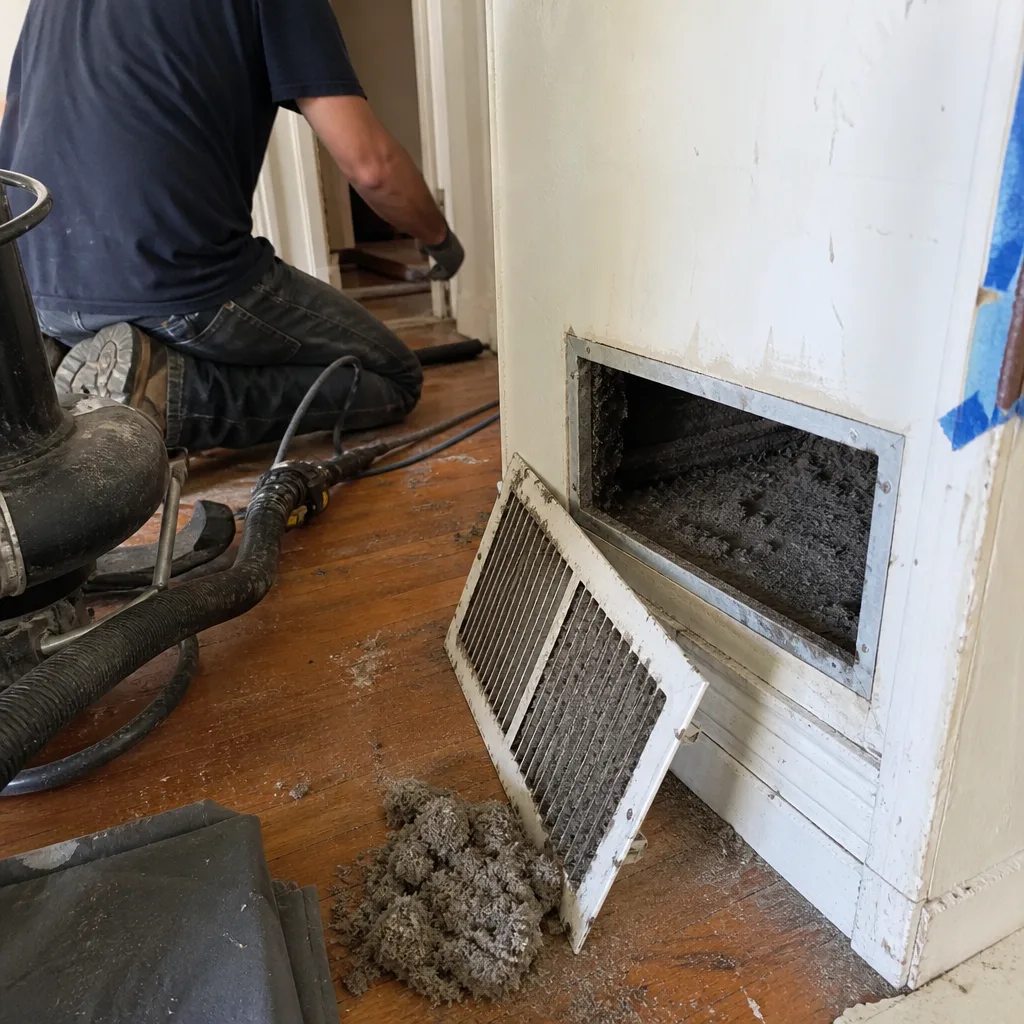
Whole-system duct and dryer vent check with before-and-after photos - you see exactly what came out of your vents
That "$99 whole-house special" is a bait ad - the real number appears once they are in your hallway, or the "clean" is a shop-vac at the register. We photograph the inside of your ducts before and after instead.
Air Duct Cleaning Warning Signs: A Palo Alto Homeowner’s Reference Guide
A visible dust plume from a register is the last warning sign, not the first. Long before dust becomes visible, ducts telegraph contamination through uneven room temperatures, shortened filter loading cycles, and faint odors that only appear when the system first starts. Most Palo Alto homeowners attribute these to the aging HVAC unit itself. In our experience, the unit is usually fine. The ducts are the problem. This guide walks through the warning signs you can detect without opening a single access panel, what each sign actually means, and when it’s time to bring in Air Duct Cleaning services with professional-grade equipment rather than another round of guesswork.
Styles & brands we work with
- Whole-home duct cleaning
- Dryer vent cleaning
- Camera inspection
- Sanitizing & deodorizing
Quick Answer
Air ducts need professional cleaning when you notice first-start odors that fade within minutes, room-to-room temperature differences of more than a few degrees, a filter loading cycle that’s shortened by 30% or more, dark staining directly around supply registers, or a fine gray film on horizontal surfaces near vents. Any single sign warrants inspection. Two or more signs means your ductwork in Palo Alto is actively compromising air quality and system efficiency, and a professional evaluation with brush-contact and HEPA-negative-air equipment is the next step. See our The Complete Air Duct Cleaning Guide for Palo Alto Homeowners for a deeper walkthrough.
Table of Contents
- The First-Start Odor Pattern: What Different Smells Tell You
- Uneven Room Temperatures in Palo Alto Homes: Duct Obstruction vs. System Undersizing
- Filter Loading Acceleration: How to Track Your Baseline and Spot a 30% Shortening
- Post-Wildfire Smoke: Bay Area-Specific Warning Signs
- Dark Staining Around Registers: Duct Bypass Failure vs. Normal Dust Settling
- Six Additional Warning Signs Homeowners Overlook
- Common Mistakes to Avoid
- When to Call a Professional
- Frequently Asked Questions
- The Bottom Line
Key Takeaways
- First-start odors that vanish within 60-90 seconds are an overlooked but reliable duct contamination signal.
- Filter loading cycles that shorten by 30% or more indicate dust is bypassing the filter, not that the filter is failing.
- Post-wildfire particulate in the Bay Area is fine enough to defeat standard fiberglass filters and settles inside ductwork.
- Dark staining at register edges that returns after wiping is often duct bypass, not ordinary room dust.
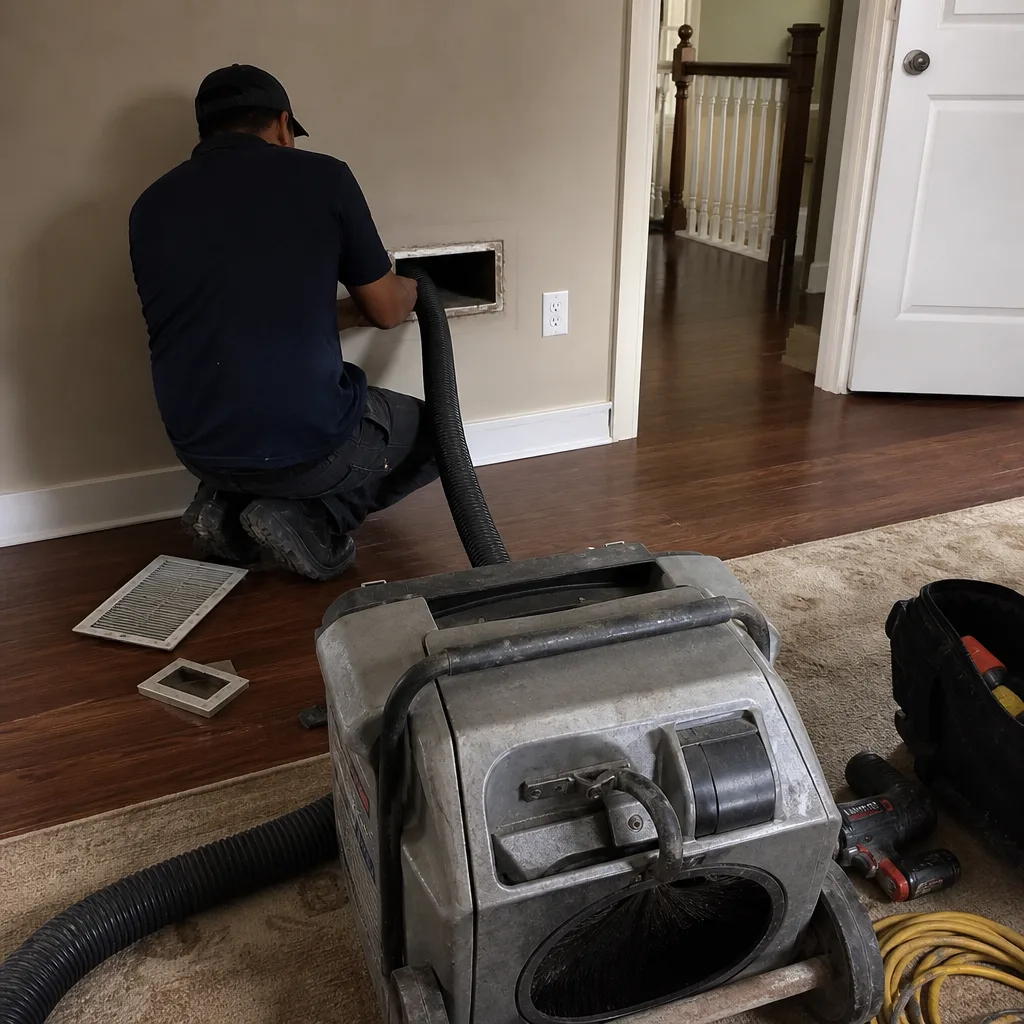
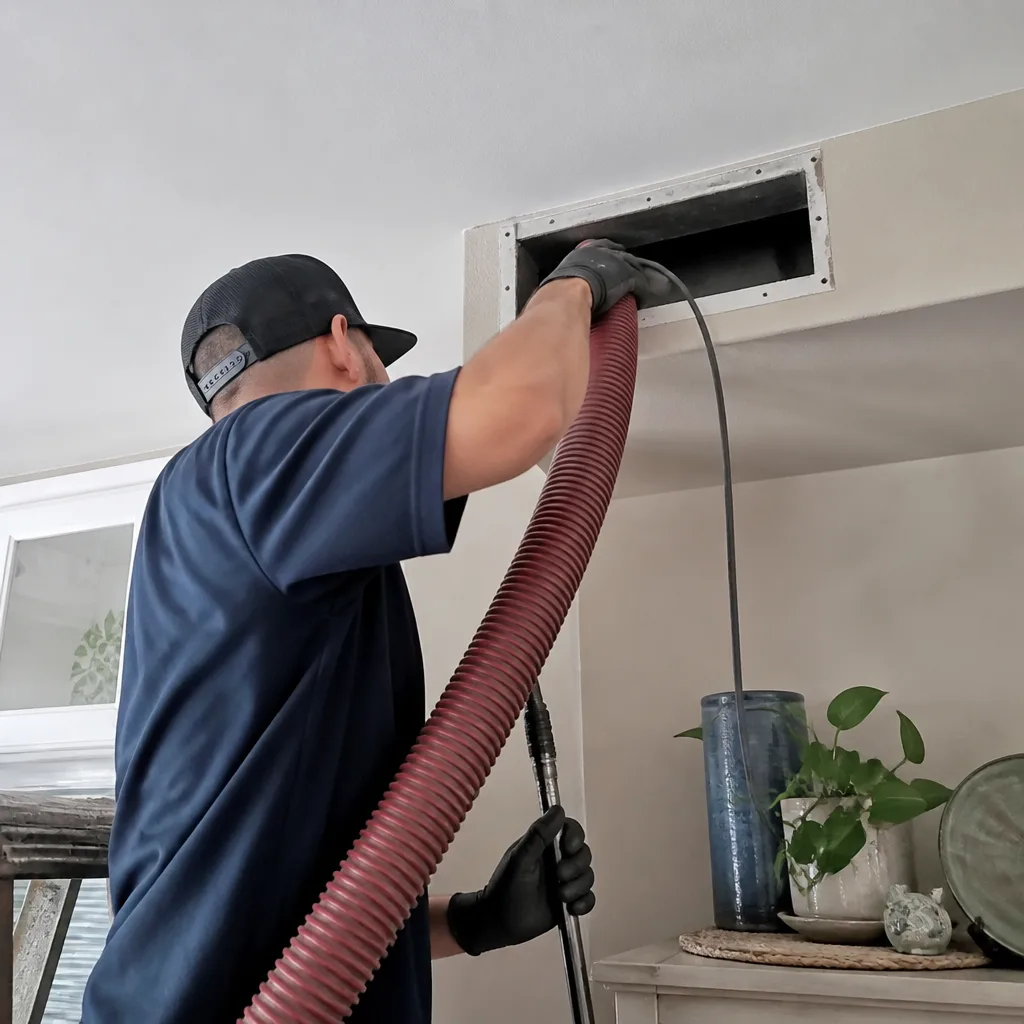
- Professional Air Duct Cleaning in Palo Alto uses brush-contact systems and HEPA negative-air machines to remove and contain what’s actually inside the ducts, not just stir it around.
The First-Start Odor Pattern: What Different Smells Tell You
When your furnace or air handler kicks on, the air that first reaches a register has been sitting in the ductwork since the last cycle ended. Whatever is in the ducts gets pushed out ahead of the conditioned air. That first-second smell is a direct sample of what’s upstream. It fades because the system begins moving air through the filter and the return side, but the odor source hasn’t gone anywhere. It’s waiting for the next cycle.
Different smells point to different problems, and they’re specific enough to act on. In Palo Alto, where many homes run heating for only a few hours a day during shoulder seasons, first-start odors are more noticeable because the system sits idle for longer stretches between cycles.
Musty or Damp Odor
A musty smell on startup is the most common warning sign we encounter. It indicates organic material inside the ductwork, typically dust and skin cells that have absorbed moisture and begun supporting microbial growth. Palo Alto’s winter dampness, especially in homes with crawl spaces near Matadero Creek or San Francisquito Creek, creates the exact conditions organic material needs to become active. The smell is strongest on heat cycles because warm air releases more volatile compounds from whatever has colonized the duct lining.
Acrid or Burning Smell
An acrid odor that appears only during the first few seconds of a heating cycle is usually accumulated dust burning off the heat exchanger, not a mechanical problem. But here’s the distinction: if it happens every cycle and not just after a long idle period, the dust supply is being replenished from inside the ducts. The heat exchanger burns off what lands on it, then the ductwork supplies more. This is a contamination loop, not a one-time event. A faint acrid smell that returns consistently across a week of normal operation justifies an inspection.
Sweet or Chemical Odor
A sweet, almost fruity smell on startup is worth taking seriously. It can indicate refrigerant leakage being circulated through the supply side, or it can indicate chemical residues inside ductwork from past cleaning products, pest treatments, or previous construction. Neither is something to wait on. If the smell is consistent and tied to system operation, the source needs to be located. We’d recommend documenting when the smell appears, which registers emit it, and how long it lasts. That information speeds up diagnosis considerably.
These first-start patterns matter because homeowners almost universally write them off as “how the system has always smelled.” But consistent odor on startup means recirculating contamination. The professional fix is a full Air Duct Cleaning Palo Alto home service call with brush-contact agitation, not just a filter swap.
Uneven Room Temperatures in Palo Alto Homes: Duct Obstruction vs. System Undersizing
Most Palo Alto homes were built between the 1940s and 1970s, and the duct systems in those houses were sized for their era. Ranch-style homes in Midtown and split-levels in the Crescent Park area run long duct runs with multiple bends. Every bend is a place where debris accumulates. When enough accumulation builds, airflow to specific rooms drops, and you get the classic complaint: one bedroom is comfortable while the one down the hall is always five degrees different.
The conventional assumption is that the HVAC system is undersized or the thermostat is poorly placed. Sometimes that’s true. But before you replace equipment, there’s a simple observation anyone can make to distinguish duct obstruction from system undersizing.
- Check airflow at the register, not just temperature. Hold a tissue or a thin strip of paper near the register when the system is running. Compare the deflection between rooms. If the warmer room has noticeably weaker airflow at the register, partial duct obstruction is the likely cause, not undersizing. An undersized system typically delivers equal but inadequate airflow everywhere.
- Note the time of day the temperature difference appears. If the difference is consistent regardless of outdoor temperature and time, obstruction is more likely. If it only appears during peak afternoon heat in Palo Alto’s summer, the system may simply be at its load limit.
- Listen for a change in the sound of the system. Partial duct blockage raises static pressure, which changes the tone of airflow at the remaining open registers. A whooshing sound that’s gotten louder over the years is a pressure signal, not a thermostat issue.
One more Palo Alto-specific factor: many homes here have had room additions built over the decades. A family room added in the 1980s or a garage conversion in the 2000s usually extends the existing duct system rather than replacing it. Those extended runs were rarely re-balanced, and they’re often the first to clog because they’re the longest and most convoluted. If your warmest or coolest room is an addition, duct obstruction should move to the top of your suspicion list.
If you’re seeing weak airflow at specific registers, the next step is inspecting the duct runs feeding those rooms. Professional Air Duct Repair in Palo Alto can restore full airflow to rooms that have been underperforming for years, and the work is often less expensive than replacing an HVAC unit that was never the problem.
Filter Loading Acceleration: How to Track Your Baseline and Spot a 30% Shortening
Your HVAC filter loads with dust at a predictable rate under normal conditions. When the rate accelerates, it’s a direct measurement that more particulate is entering the system than before. The source of that particulate is most often the ductwork itself, because that’s the only part of the system that accumulates dust rather than filtering it.
Here’s the method we teach Palo Alto homeowners who want a real diagnostic rather than a feeling that “the filter looks dirtier than usual.”
- Establish a baseline. Install a new filter of the same brand and MERV rating you normally use. Mark the date on the filter frame with a permanent marker. Check the filter every two weeks. When it looks loaded enough to replace, record how many weeks that took. Repeat this cycle three times to get a reliable average.
- Watch for a shortening cycle. If your baseline is eight weeks and a new filter loads to replacement level in five or six weeks, that’s a 25% to 30% acceleration. A shortening of that magnitude, sustained across two filter cycles, is not random variation. It means the system is processing more dust than it did before.
- Consider what changed. Did you renovate a room? Did wildfire smoke move through the Peninsula? Did a dryer vent get damaged or disconnected? If nothing changed in the house, the most likely explanation is that accumulated debris inside the ducts is now being pulled loose and circulated when the system runs.
Accelerated filter loading is extra meaningful in Palo Alto because many of the city’s older homes have return ducts in floor cavities or wall cavities that have never been sealed. Those leaks pull dust from crawl spaces, wall voids, and attics directly into the system. Once dust gets in, it doesn’t leave. It builds up on duct surfaces, then releases in cycles as airflow changes. A filter that’s loading faster means the reservoir of dust inside the ducts has grown.
We recommend upgrading to a better filter only after the ducts are clean. A higher-MERV filter installed in front of dirty ducts becomes clogged at the same accelerated rate, but costs more to replace each time. Address the duct contamination first. Then, if you want better filtration, products from Honeywell and Aprilaire designed for post-cleaning use will perform properly.
Post-Wildfire Smoke: Bay Area-Specific Warning Signs
Palo Alto sits in a position where wildfire smoke from the Santa Cruz Mountains, the Diablo Range, and fires farther north in Sonoma and Napa can linger for weeks depending on wind patterns. Smoke events across the Bay Area in recent years have been severe enough to close schools and keep residents indoors for days at a time. What gets discussed less is what happens inside your ductwork during those events.
Wildfire smoke contains fine particulate far smaller than what household dust is made of. These particles, often in the PM2.5 range and below, pass through standard fiberglass filters without being captured. They don’t just circulate through the house while the air is smoky outside; they settle inside the ductwork, coating the walls with a fine gray film that sits there until airflow conditions change.
The specific warning sign to look for after a smoke event is a fine gray film on horizontal surfaces near supply registers. This film appears even after you’ve wiped surfaces clean, because the duct system is acting as a reservoir. Each time the system runs, it re-releases a portion of the settled particulate into the room. The film is usually uniform and very fine, nothing like the linty dust you’d see from normal household sources.
Here’s the problem with this particular contaminant: it’s too fine to be captured by the filter, and it’s too well-adhered to duct surfaces to be removed by air movement alone. Standard duct cleaning methods that rely on suction only don’t remove it. Removing wildfire particulate requires brush-contact agitation to mechanically dislodge the film from duct walls, combined with HEPA negative-air containment to capture it once it’s airborne. Abatement Technologies equipment, the same standard used in professional remediation, is designed for exactly this kind of fine particulate.
If you lived through a smoke event with windows closed and your HVAC fan running, and you’ve since noticed that gray film, the ducts are holding particulate from that event. A professional cleaning with the right equipment will remove it. Running the fan more won’t.
Dark Staining Around Registers: Duct Bypass Failure vs. Normal Dust Settling
Dark staining around supply registers is one of the most commonly misinterpreted signs in residential HVAC. Most homeowners see it, wipe it away, and assume it’s ordinary dust settling. Sometimes that’s exactly what it is. But when staining returns quickly or appears only around certain registers while others stay clean, the cause is often what’s technically called duct bypass: air leaking around the filter, not through it.
Here’s how to tell the difference without specialized equipment.
How to Test for Duct Bypass Filtration Failure
- Wipe the register and surrounding surface clean. Use a damp cloth to fully remove the staining. Note the date.
- Run the system normally for two weeks. Don’t change your thermostat habits or filter.
- Check the same register after two weeks. If the staining hasn’t returned, you’re dealing with ordinary dust settling, which is a housekeeping issue rather than a duct issue.
- If staining has returned within two weeks, compare it across registers. Staining that appears on all supply registers equally suggests whole-system particulate. Staining that concentrates on registers farthest from the air handler suggests particulate is being picked up along the duct run itself, downstream of the filter.
Here’s the mechanism: your HVAC filter sits in a frame or slot. If that frame doesn’t seal properly, air takes the path of least resistance and flows around the filter instead of through it. The air then enters the duct system unfiltered, carrying dust from the mechanical room, the return plenum, and the attic or crawl space. That dust deposits on duct surfaces, then gets redistributed to rooms. The registers show it first because that’s where airflow exits into living space.
In Palo Alto homes where the furnace sits in a closet, a garage, or a crawl space with decades of accumulated dust around it, bypass leakage can load ducts rapidly. The staining around your registers is a pressure map of the problem: the worst staining is where the most unfiltered air is escaping into the house.
Correcting this means cleaning the ducts and sealing the filter bypass path. If the filter slot is damaged or the frame no longer seals, Air Duct Repair in Palo Alto can address the mechanical leak so the problem doesn’t return immediately after cleaning.
Six Additional Warning Signs Homeowners Overlook
Beyond the major signs above, several quieter indicators show up in Palo Alto homes before anything becomes dramatic. We see these patterns regularly, and they’re worth documenting because each one narrows down what’s happening inside the duct system.
- Visible dust accumulation on return grilles within one week of cleaning. A return grille that reloads with lint and dust in days, not weeks, means the return side is pulling from a contaminated source. In many Palo Alto homes, that source is a dirty crawl space, an unsealed return chase, or a disconnected return duct segment.
- Dryer takes longer than 45 minutes to dry a normal load. A dryer vent clogged with lint restricts airflow and forces the dryer to work longer. This is a fire-prevention issue first and an efficiency issue second. Dryer vent fires are preventable with regular cleaning, and Dryer Vent Cleaning in Palo Alto should be treated as a scheduled safety service, not a convenience add-on.
- Dust films reappearing on furniture within hours of wiping. Household dust settles slowly in still air. When it reappears fast, the HVAC system is actively distributing it. Supply registers pointing at your furniture are doing the work of a dust cannon if the ducts are loaded.
- Musty odor at the return grille even when the system’s off. If the smell is present with the fan off, it’s not being generated by the equipment. It’s coming from inside the return duct itself, which means the return side is holding organic material that’s actively decomposing or growing.
- Allergy symptoms that improve away from home and return within an hour of being home. Many Palo Alto homeowners with oak and grass pollen sensitivities live with a constant low-grade exposure that doesn’t track with outdoor pollen counts. If your symptoms don’t improve when you close the windows and run the AC, the ducts are part of the exposure path.
- A soft popping or ticking sound from ductwork when the system starts. This is thermal expansion, and it happens in every home to some degree. But a consistent pop at a specific point can indicate a duct seam that’s separated and flexing. A separated seam is a leak: it pulls dust in on the return side or pushes conditioned air into the attic or crawl space on the supply side.
Each of these signs is subtle on its own. The reason they get overlooked is that they don’t produce an emergency. But the homeowner who tracks them over weeks develops a clear picture of whether the duct system is stable or deteriorating.
Common Mistakes to Avoid
- Replacing the HVAC unit before inspecting the ducts. A new system connected to contaminated, leaking ductwork will deliver the same air quality problems as the old one. We’ve seen Palo Alto homeowners spend five figures on new equipment when the actual fix was a duct cleaning and a reseal.
- Using a higher-MERV filter as a band-aid. A denser filter doesn’t clean dirty ducts. It loads faster and restores none of the airflow lost to internal duct buildup. In some cases, the added pressure drop makes a weak-airflow problem worse.
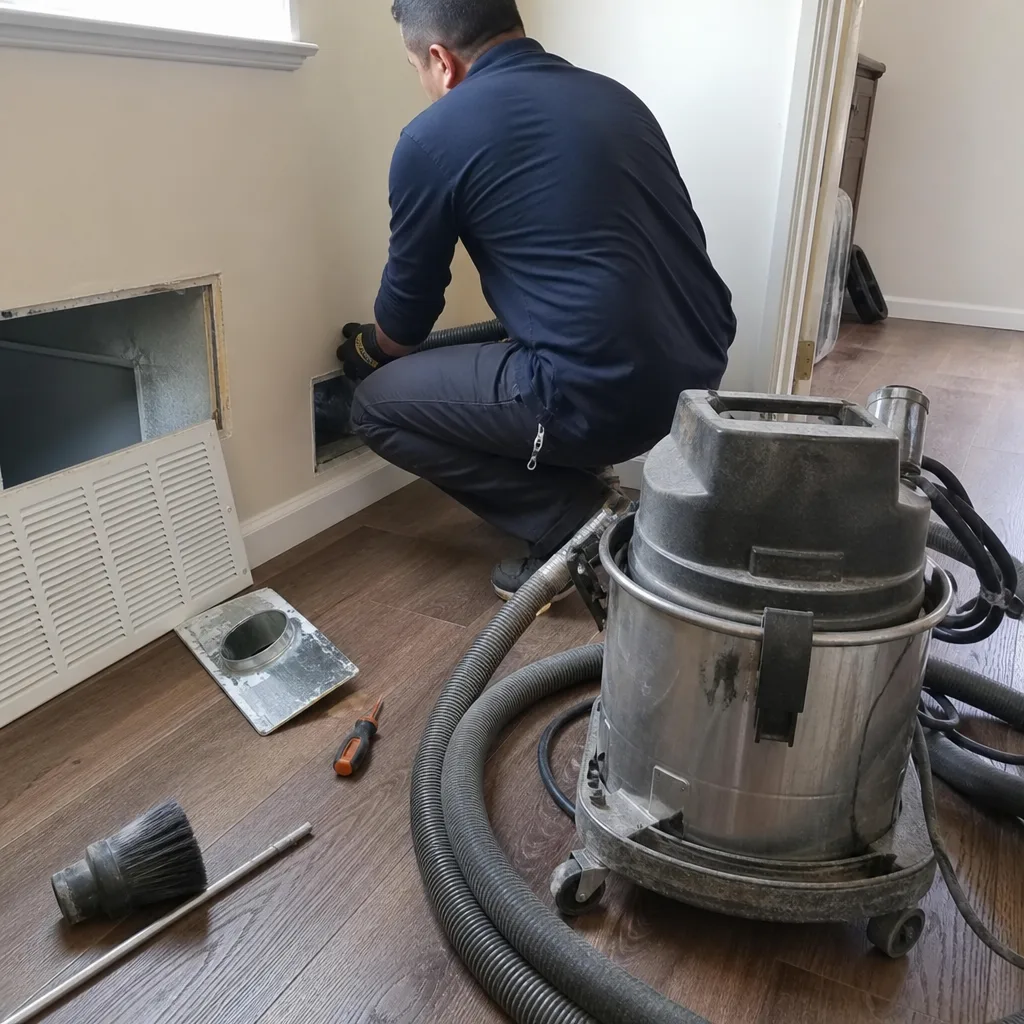
- Hiring based on price alone without asking about equipment. A shop vac and a brush attached to a drill can dislodge debris without containing it, which redistributes dust through the house. Ask specifically about brush-contact systems and HEPA negative-air machines before booking. That’s the difference between cleaning and moving debris around.
- Wiping register staining and assuming the problem’s cosmetic. Staining is a symptom. If it returns quickly, something upstream is generating it. Wiping it away repeatedly without addressing the ductwork is maintenance theater.
- Ignoring the dryer vent because “the dryer still works.” Reduced efficiency is the least important consequence of a clogged vent. Lint is fuel. The warning sign is longer drying times, and the right response is a dedicated dryer vent service with a fire-safety focus.
- Assuming old ducts are fine because “they’ve always been this way.” Ducts accumulate over decades. A system that’s never been cleaned in a 50-year-old Palo Alto home is holding 50 years of whatever has moved through it. Age is a reason to inspect, not a reason to defer.
- Using duct cleaning coupons or per-vent pricing as a comparison tool. This is the exact point where the bait-and-switch reputation comes from. A low per-vent price turns into a much larger invoice when the “minimum vent count” and add-ons appear. Ask for a whole-system flat price before the technician arrives.
When to Call a Professional
Schedule a professional duct inspection if you’ve documented any two of the warning signs in this guide across a 30-day period. For help selecting a provider, read Choosing the Right Air Duct Cleaning Brand: A Buyer’s Guide for Palo Alto. A first-start odor plus shortened filter life is enough. Register staining plus a room that won’t hold temperature is enough. After any significant wildfire smoke event, an inspection is justified even without visible symptoms, because the fine particulate involved behaves differently from household dust and often produces no smell at all.
At Air Duct Cleaning Palo Alto, we use Rotobrush brush-contact cleaning systems and Nikro HEPA negative-air machines to remove and contain what’s inside your ducts rather than pushing it into your living space. We also service and install Honeywell and Aprilaire filtration products, which means we can address air quality at the source as well as in the system that distributes it. Estimates are free, and the work is quoted as one flat price per system before anything starts. Call (833) 620-7085 to schedule an evaluation in Palo Alto.
Frequently Asked Questions
Professional air duct cleaning in Palo Alto typically runs between $450 and $850 for a whole system on a single-family home, depending on home size, number of systems, and duct accessibility. Homes with two HVAC systems or extensive contamination run higher. The price should be quoted as one flat price per system before work starts, and a written quote should be provided before the equipment comes off the truck.
Cheaper quotes almost always come from companies using consumer-grade vacuums and drill-attached brushes rather than professional brush-contact systems and HEPA negative-air containment. The equipment difference determines whether debris is removed from your home or redistributed through it. You should also ask whether the quoted price covers the full system or a minimum vent count that expands once the technician is on site. Call (833) 620-7085 for an honest whole-system quote in Palo Alto.
Ask for before-and-after photos of your own ductwork, including shots from inside the supply and return plenums. Professional technicians using inspection cameras can show you the interior surfaces before cleaning and after. If a company won’t provide photos of your own ducts or can’t show you what they removed, you have no way to verify the work. At Air Duct Cleaning Palo Alto, we document before-and-after conditions on every job, and we’ll walk you through what we found and what we did.
For most Palo Alto homes, air duct cleaning every 3 to 5 years is appropriate, but several conditions shorten that cycle. Homes with pets that shed heavily, residents with serious allergies, recent renovations that produced drywall dust, or a wildfire smoke event that penetrated the system all justify more frequent cleaning. A 50-year-old home that’s never had the ducts cleaned should be inspected regardless of schedule. What’s actually inside your ducts, not the calendar, determines whether cleaning is due.
You cannot effectively clean residential ductwork with household tools. Duct interiors are inaccessible without professional access points and cameras, and the debris inside them won’t be removed by a shop vac attached to a register. Partial cleaning methods can dislodge debris and push it into living spaces, which is worse than leaving it in place. The right approach is mechanical brush-contact agitation combined with HEPA negative-air capture, operated by a trained technician. Call (833) 620-7085 to have your Palo Alto ductwork evaluated.
Yes, and in fact it’s the better order of operations to clean ducts before the new equipment is installed. A new HVAC unit connected to contaminated ductwork delivers the same particulate into your home as the old unit did. If the system was just replaced, cleaning should be scheduled now to prevent the new equipment from circulating whatever’s accumulated in the existing ducts. This is a common sequence in Palo Alto homes where furnaces have been replaced several times but the original ductwork remains in place.
The Bottom Line
The warning signs that matter most are the ones that don’t trigger a service call. A smell that fades in thirty seconds, a filter that loads a week sooner than it used to, a bedroom that’s always a few degrees off. Each is easy to dismiss on its own, but together they tell a clear story about what’s built up inside your ducts over decades of Palo Alto living. You don’t need to wait for visible dust plumes. Track what you can observe, document what changes, and if the patterns line up with what’s described here, get the ducts looked at with professional equipment that can actually see and remove what’s in there. Air Duct Cleaning Palo Alto offers free estimates in Palo Alto. Call (833) 620-7085 to schedule an evaluation.
Written by the team at Air Duct Cleaning Palo Alto, serving Palo Alto since 2016.
See the difference
 Before
 After
 Before
 After
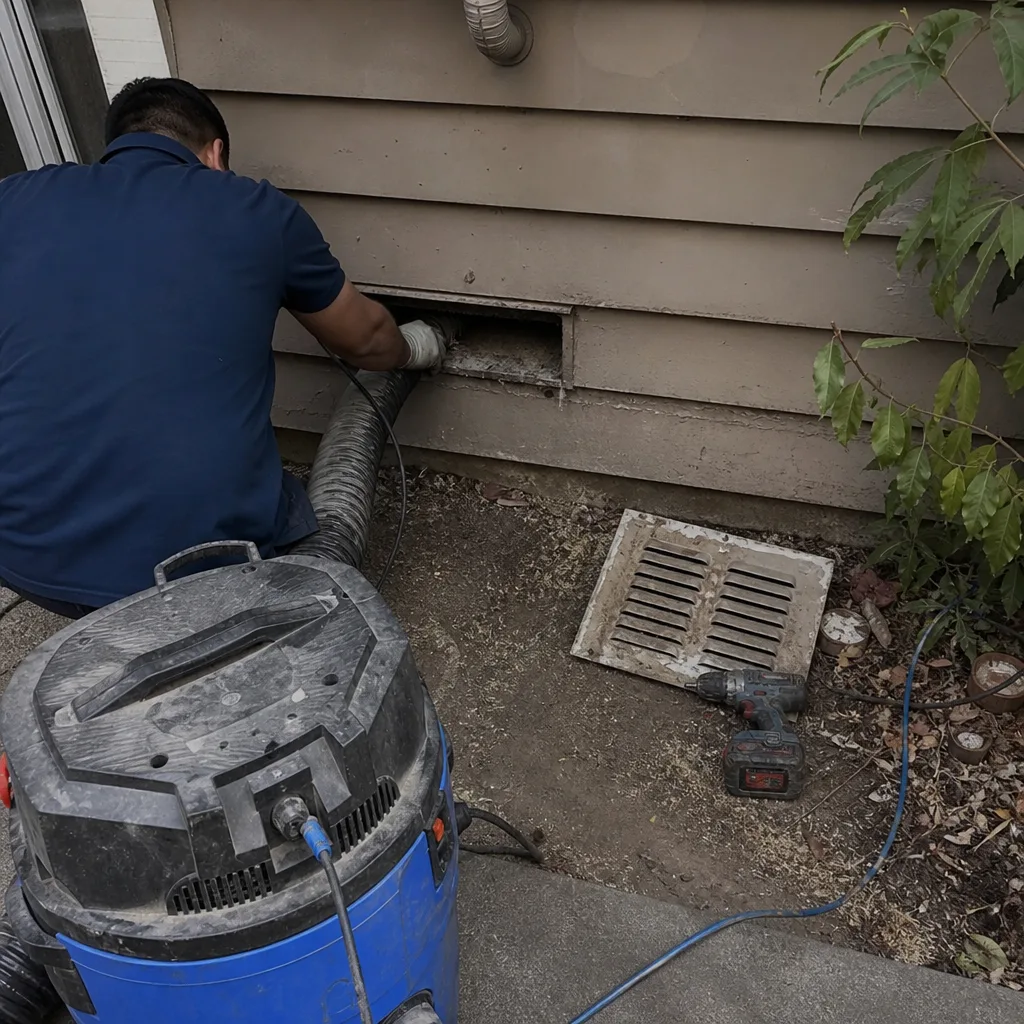 Before
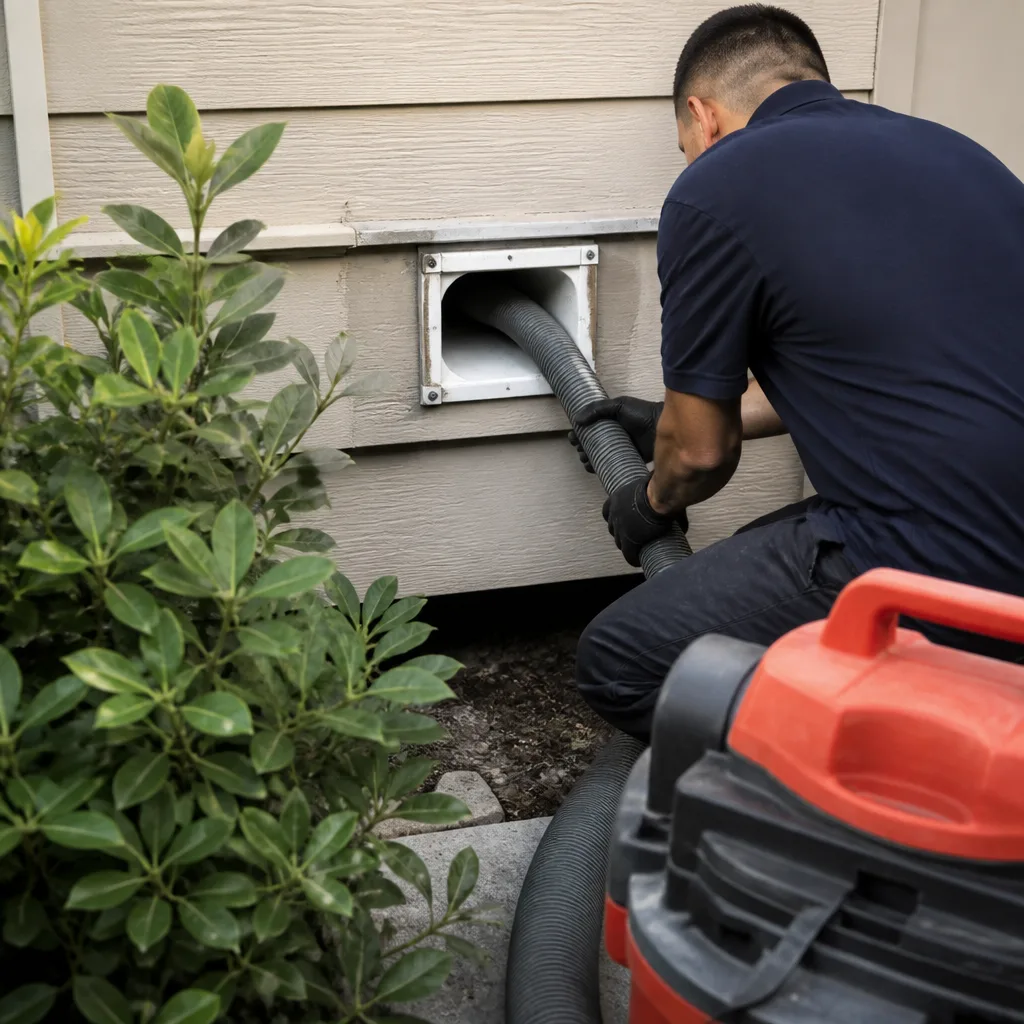 After